
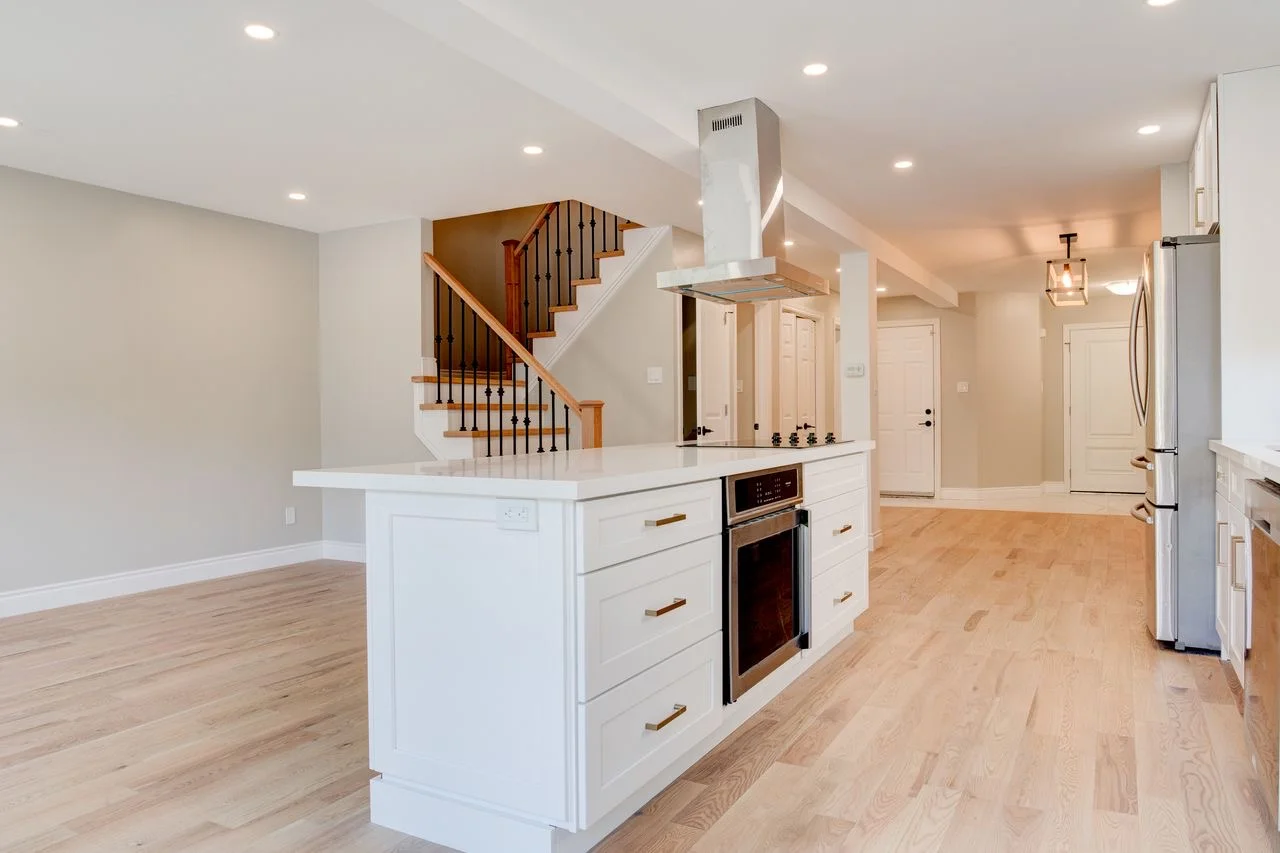
Picking new flooring for your home can feel like a bigger decision than it should be. Walk into any showroom and you are faced with dozens of materials, finishes, colours, and price points, all promising to be the perfect fit. The truth is, there is no single flooring type that works everywhere in your home. Kitchens have different needs than bedrooms, bathrooms have different needs than living rooms, and getting this wrong can mean spending money twice instead of once. That is exactly why so many homeowners turn to professional flooring installation services rather than trying to figure it all out alone.
In this guide, we are going to walk through the most popular flooring materials available today and explain which rooms they work best in, along with practical things to think about before you commit. Whether you are renovating one room or updating your entire home, understanding these room specific choices will help you avoid costly mistakes and end up with floors that look great and actually hold up to daily life. The team at 905 Kitchen & Bath work with homeowners across the region every day, helping them choose materials that fit both their style and their budget.
By the time you finish reading, you will have a much clearer picture of what flooring makes sense for each part of your home, and why hiring a qualified floor installation contractor tends to save time, money, and frustration compared to going it alone.
Why Flooring Choices Matter More Than You Think
Flooring is one of the few home features that touches nearly every part of daily life. You walk on it, stand on it while cooking, sit on it when playing with kids, and it is one of the first things guests notice when they walk through your front door. Beyond appearance, flooring also needs to handle moisture, foot traffic, temperature changes, and wear over time, and different materials handle these challenges very differently.
Choosing the wrong material for a particular room can lead to warping, staining, cracking, or simply looking worn out far sooner than it should. This is why thinking room by room, rather than picking one flooring type for the whole house, tends to give the best long term results, both in how your home looks and how much you end up spending on repairs or replacements down the road.
Kitchen Flooring, Built to Handle Daily Life
Kitchens see more foot traffic, spills, and temperature changes than almost any other room in the house. That makes durability and moisture resistance the top priorities when choosing kitchen flooring.
Popular kitchen flooring options include:
Porcelain or ceramic tile, which handles moisture extremely well and comes in countless styles, from classic to modern
Luxury vinyl plank, which offers excellent water resistance along with a warmer, softer feel underfoot compared to tile
Engineered hardwood, which brings warmth and character while offering better moisture stability than solid hardwood
Natural stone, such as slate or travertine, for homeowners wanting a high end, durable finish with plenty of character
Kitchens are also a space where slip resistance matters, especially with young children or older family members in the home. A good floor installation contractor will factor this in when recommending finishes, since a beautiful floor is not much use if it becomes a safety hazard the moment it gets wet.
Bathroom Flooring, Where Water Resistance Comes First
If there is one room where moisture resistance simply cannot be compromised, it is the bathroom. Between showers, baths, and general humidity, bathroom flooring needs to handle constant exposure to water without warping, staining, or developing mould underneath.
The best bathroom flooring options generally include:
Porcelain tile, which remains one of the most reliable choices for wet areas thanks to its low water absorption
Vinyl flooring, particularly luxury vinyl tile, which offers excellent waterproofing along with comfort underfoot
Natural stone with proper sealing, which can look stunning in bathrooms but requires ongoing maintenance to stay water resistant
It is worth noting that solid hardwood is almost never recommended for bathrooms, no matter how much homeowners might love the look. Even with careful sealing, prolonged exposure to moisture eventually causes warping and damage that can be expensive to repair.
Living Room and Bedroom Flooring, Comfort Meets Style
Living rooms and bedrooms tend to have far less exposure to moisture and heavy spills, which opens up a wider range of flooring options focused more on comfort, warmth, and style rather than pure durability.
Popular choices for these spaces include:
Solid or engineered hardwood, offering timeless style and a warm, inviting feel underfoot
Carpet, which remains a favourite for bedrooms thanks to its softness and insulation properties
Laminate flooring, a budget friendly option that mimics the look of hardwood without the higher price tag
Luxury vinyl plank, increasingly popular in living rooms for its durability and realistic wood look
Bedrooms in particular benefit from softer flooring underfoot, especially for anyone who prefers stepping onto a warm surface first thing in the morning rather than cold tile or hardwood. Living rooms, on the other hand, often benefit from harder wearing materials if the space sees heavy use from kids, pets, or frequent entertaining.


Basement Flooring, Planning Around Moisture and Temperature
Basements present a unique set of challenges compared to the rest of the home. They tend to be cooler, more prone to moisture issues, and sometimes subject to occasional flooding or dampness, particularly in older homes.
For this reason, basement flooring generally needs to prioritize moisture resistance above almost everything else. Good options include:
Luxury vinyl plank or tile, which handles moisture well and remains comfortable underfoot even in cooler basement spaces
Engineered hardwood, in basements with well controlled humidity levels, offering a warmer look than vinyl or tile
Polished concrete, a modern, low maintenance option that works particularly well in basements used as gyms or rec rooms
Carpet tiles, which offer some warmth and can be replaced individually if a section becomes damaged
Before choosing basement flooring, it is worth having moisture levels properly assessed. This is another area where working with an experienced floor installation contractor really pays off, since they can recommend materials and underlayment suited to your specific basement conditions rather than a generic, one size fits all solution.
Entryway and Hallway Flooring, Built for Heavy Traffic
Entryways and hallways are among the hardest working areas in any home. They deal with dirt, moisture tracked in from outside, and constant foot traffic, often more than any other room in the house.
For these high traffic zones, durability should be the main priority. Strong options include:
Porcelain or ceramic tile, which stands up well to dirt, moisture, and heavy use over time
Luxury vinyl plank, offering a good balance of durability and warmth for busy entryways
Engineered hardwood with a durable finish, for homeowners wanting a more upscale look that still holds up to daily wear
Because entryways set the tone for the rest of your home, many homeowners also choose to make a style statement here, using patterned tile or a slightly different material than the rest of the house to create a defined, welcoming transition space.
Choosing Flooring Based on Lifestyle, Not Just Looks
While style is obviously important, choosing flooring purely based on appearance is one of the most common mistakes homeowners make. The right choice really depends on how each room in your home is actually used day to day.
Some practical questions worth asking before choosing flooring include whether pets will regularly walk across the surface, since some materials scratch more easily than others, whether the room is exposed to direct sunlight, since certain materials fade or warp over time, how much foot traffic the space typically sees, and whether comfort underfoot matters more than pure durability in that particular room.
Thinking through these questions honestly, rather than simply choosing what looks best in a showroom, tends to lead to far better long term satisfaction with your flooring choices. This is exactly the kind of thoughtful, room by room planning that professional flooring installation services bring to a renovation project, helping homeowners avoid decisions they might regret a few years down the line.
The Value of Professional Installation
It might be tempting to save money by installing flooring yourself, and for very small projects that can sometimes work out fine. However, for most flooring types, professional installation makes a significant difference in both the final appearance and the long term durability of the floor.
Professional installers understand subfloor preparation, proper acclimation of materials like hardwood, correct spacing and expansion gaps, and moisture barrier requirements in areas like bathrooms and basements. Getting these details wrong can lead to squeaky floors, buckling, gaps, or premature wear, problems that are often far more expensive to fix after the fact than they would have been to avoid in the first place.
Working with an experienced floor installation contractor also means access to proper tools and techniques for cutting and fitting materials cleanly around doorways, corners, and fixtures, resulting in a far more polished, professional finish than most DIY projects achieve. If you are exploring a broader renovation alongside new flooring, this article on how home remodeling improves comfort and functionality offers useful insight into how flooring fits into the bigger picture of creating a home that genuinely works better for daily life.
Maintaining Your Floors for the Long Run
Choosing the right material is only part of the equation. Proper ongoing care plays a huge role in how long your floors last and how good they continue to look over the years. Different materials require different maintenance approaches, and understanding this before you choose can help set realistic expectations.
Hardwood floors generally benefit from regular sweeping, occasional refinishing every several years, and prompt cleanup of spills to avoid staining or water damage. Tile floors need routine cleaning of grout lines to prevent discolouration and staining over time. Vinyl flooring is relatively low maintenance but should be protected from sharp objects that can cause tears or gouges. Carpet requires regular vacuuming and periodic deep cleaning to maintain both appearance and indoor air quality.
Many homeowners find real value in professional floor maintenance services, particularly for materials like hardwood and natural stone that benefit from periodic refinishing or resealing to keep them looking their best. Searching for reliable floor maintenance near you is a smart step once your new flooring is installed, ensuring your investment continues to look great for years to come.
Budgeting for a Flooring Project
Cost is naturally a major factor when planning any flooring project, and prices can vary significantly depending on material, room size, and installation complexity. Generally speaking, laminate and vinyl tend to be the most budget friendly options, tile and engineered hardwood fall into a mid range price point, and solid hardwood and natural stone tend to represent the higher end of the spectrum.
It is worth remembering that upfront cost is not the only factor to consider. Some materials, like solid hardwood, can last for decades with proper care and even be refinished multiple times, potentially offering better long term value despite a higher initial price tag. Discussing your budget openly with a professional installer can help you find the right balance between upfront cost and long term durability for each specific room in your home.
Final Thoughts
Choosing the right flooring for every room in your home does not need to be overwhelming once you understand what each space actually requires. Kitchens and bathrooms call for moisture resistant materials, living rooms and bedrooms allow for more comfort focused choices, and high traffic areas like entryways benefit from tougher, more durable surfaces. Thinking room by room, rather than picking one material for the entire home, leads to floors that look great and genuinely last.
If you are ready to update your floors with materials that truly suit your lifestyle and your home, reach out to the team at 905 Kitchen & Bath today and take the first step toward floors you will love walking on for years to come.